Marathon Meal Ideas: Practical Food for Training and Race Week
Build marathon meals around familiar foods and your training routine. This India-friendly guide covers everyday plates, long-run practice and race-week basics without a one-size-fits-all fueling prescription.
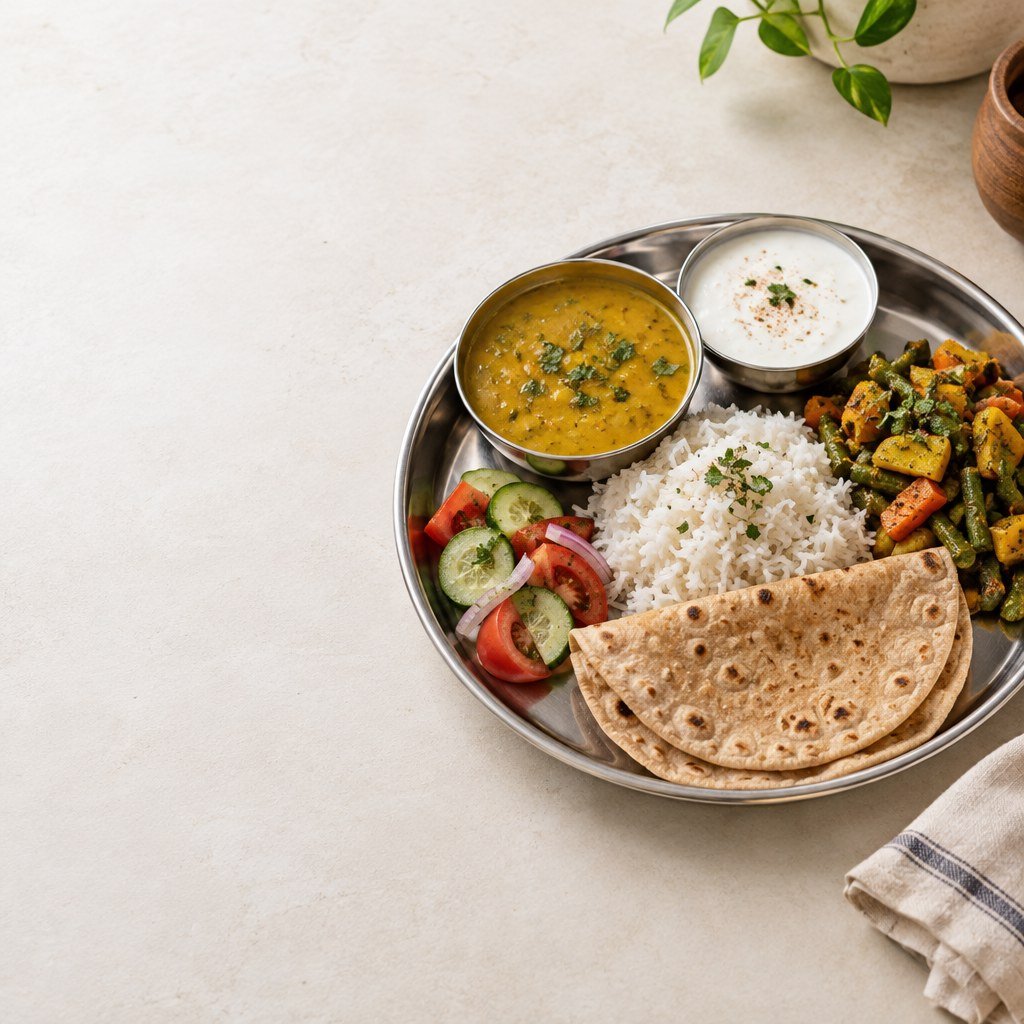
Marathon preparation is about months of training, recovery and a food routine that works for the individual—not one special dinner. Familiar Indian meals can fit into a runner’s routine. The ideas below are general examples, not a personal fueling prescription.
Start with everyday meals
Build regular meals from familiar foods across food groups. Rice or roti, dal or beans, vegetables, curd, eggs, fish, chicken, paneer, fruit, nuts or other foods can be mixed in ways that fit your preferences and needs. Our healthy Indian meals for runners guide has everyday examples.
Training load and individual needs vary. If you are training for a marathon, consider support from a registered sports dietitian, especially if you have a medical condition, food allergy, digestive issues, or a history of disordered eating.
Before a long training run
Try a familiar meal or snack that you have already tolerated. Some runners choose options such as idli, toast, banana, poha or rice-based foods; these are examples, not rules. The amount and timing depend on the run, your routine and what feels comfortable. Avoid making race day the first test of a new food.
Our pre-run nutrition guide explains how to experiment gently before easy runs. You can also try the overnight oats recipe on a normal morning first, rather than assuming it will suit everyone before running.
During longer runs
For prolonged events, some athletes plan carbohydrate and fluids during exercise. The right approach depends on duration, intensity, climate, access to aid stations and gut tolerance. Sports Dietitians Australia recommends practising a race nutrition strategy in training and avoiding new foods on race day. Read its marathon nutrition fact sheet. Do not copy a specific gram-per-hour target from another runner without considering your own context.
Race-week meal ideas
- Choose familiar staples: rice, roti, idli, poha, potatoes or bread can all appear in meals if they suit your usual diet.
- Keep meals predictable: use foods you have eaten comfortably during training; a race expo is not the time to experiment with unfamiliar supplements.
- Include a protein-rich food: dal, beans, eggs, dairy, soy, fish or poultry can be part of meals according to preference and tolerance.
- Plan practical snacks: fruit, curd, toast or another familiar option may help bridge a long gap between meals.
- Think through logistics: consider start time, travel, access to food and the event’s own guidance.
There is no universal “carb-load dinner” or race-morning menu. Avoid dramatic diet changes and follow an individual plan developed with a qualified sports dietitian if you need event-specific targets. For general food foundations, see the ICMR–NIN Dietary Guidelines for Indians.
Hydration and Indian weather
Fluid needs vary with the person, conditions and event. Follow your training experience and event guidance; do not force a fixed volume because a generic article says so. Check local heat alerts and read our hot-weather running safety checklist.
Sources and disclaimer
- Sports Dietitians Australia: Marathon nutrition fact sheet
- ICMR–National Institute of Nutrition: Dietary Guidelines for Indians (2024)
This article is general education, not a personalised marathon nutrition plan or medical advice. Seek individual guidance from a qualified sports dietitian or clinician when appropriate.