Running in Hot Weather in India: A Safety Checklist
A practical checklist for planning hot-weather runs in India: check local alerts, choose a cooler time, adjust effort and recognise signs that mean stop.
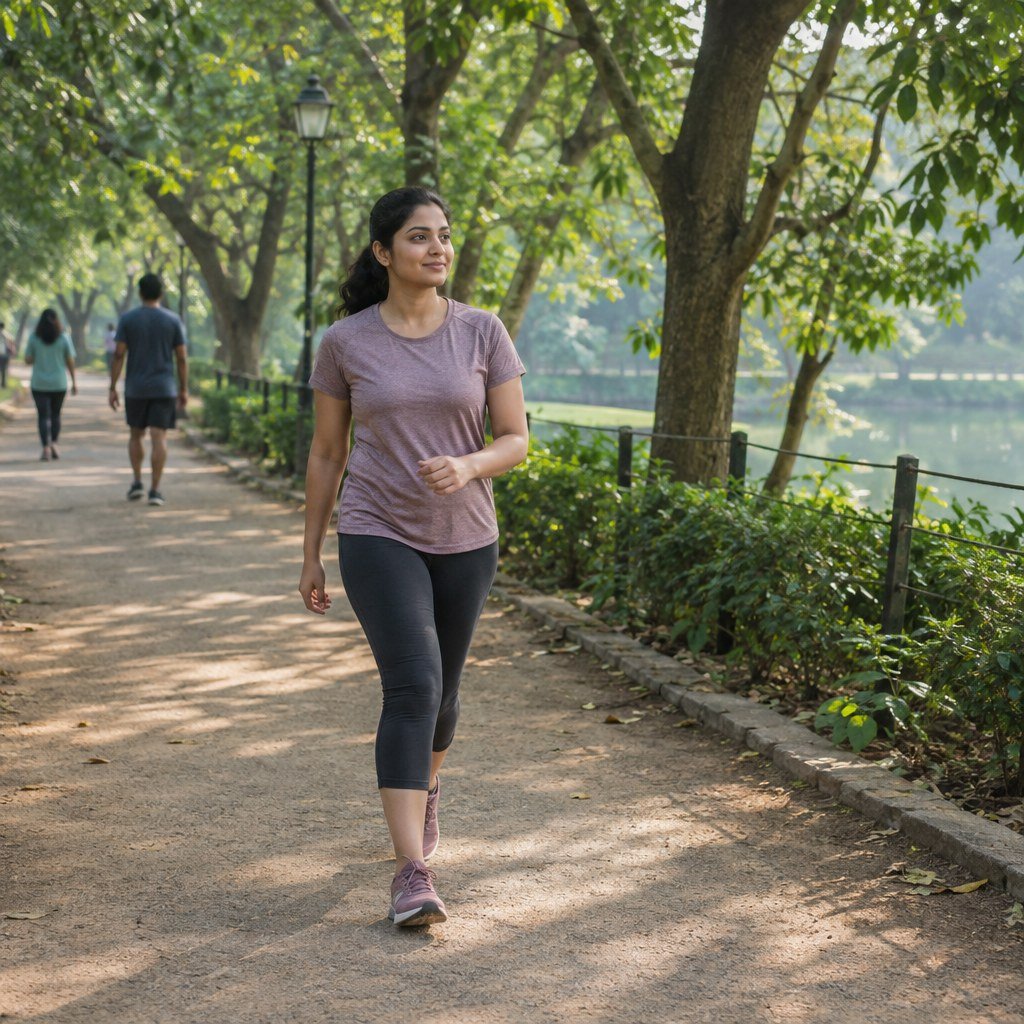
Running in hot weather in India calls for a flexible plan. A run that feels manageable on a dry morning may feel much harder in high humidity, direct sun or after a hot night. Use this checklist to decide whether to run outdoors, shorten the session or move indoors.
This general guide is not personal medical advice. If you have a heart, kidney or lung condition, take medicines that affect temperature regulation, are pregnant, or have had a heat illness before, ask your clinician what exercise conditions are appropriate for you.
1. Check the conditions where you will run
Do not rely only on a city’s daily maximum temperature. Check the local forecast, humidity and any heat warning for your route and time. The India Meteorological Department’s heatwave guidance is a useful place to start. Heat risk depends on more than air temperature: humidity, sunlight, wind, how long you exercise and your health all matter. WHO identifies athletes and other people exercising outdoors as susceptible to exertional heat stress.
If an official alert is active, the route has little shade, or the air feels oppressive, choose an indoor workout, a shaded walk or a rest day. There is no training session worth pushing through dangerous conditions.
2. Pick a cooler window—and be ready to change it
When you do run outdoors, choose the coolest practical part of the day, often early morning or after sunset, and avoid strenuous activity during peak afternoon heat. In many Indian cities, local conditions vary sharply: coastal humidity can make an apparently moderate temperature feel taxing, while a dry inland route can expose you to strong direct sun. Check the forecast for your own area rather than following a fixed clock rule.
Prefer a familiar loop with shade, access to water and places where you can stop. Tell someone your route if you are running alone. Wear light, breathable clothing and a cap or other sun protection that is comfortable for you.
3. Make the session easier than your cool-weather plan
Heat adds strain even when you keep the same pace. Start gently, use the talk test instead of chasing a personal-best pace, and be willing to alternate running with walking. Keep the first outing short when temperatures rise or when you have not run in warm conditions recently. Build exposure gradually over multiple sessions, and allow recovery; do not try to “make up” a missed workout in the heat.
For a simple session, walk for several minutes to warm up, jog easily for a short stretch, then walk until your breathing settles. Repeat only while you feel well. A shorter, slower run is a successful training choice when conditions are demanding.
4. Hydrate sensibly
Start normally hydrated and carry water if your route or duration makes it sensible. Drink according to your needs and the conditions; avoid turning a generic online volume target into a personal prescription. Long or very sweaty sessions, illness, and some medical conditions can change fluid and salt needs. People with kidney or heart conditions, or anyone advised to limit fluids, should follow their clinician’s plan. Do not assume that sports drinks or supplements are necessary for every short, easy run.
5. Know when to stop
Stop running, move to a cooler shaded place and get help if you feel faint, unusually weak, confused, nauseated or develop a severe headache or cramps. Confusion, collapse, seizures, or very hot skin with altered behaviour can signal a medical emergency. Call local emergency services immediately for suspected heatstroke; do not leave the person alone while waiting for help. WHO advises avoiding strenuous activity during the hottest part of the day and staying informed about official heat warnings.
Do not try to “run through” these symptoms or restart because you feel briefly better. If symptoms persist or you are unsure, seek medical care.
A quick pre-run checklist
- Have I checked the local IMD forecast and active heat alerts?
- Is this a cooler time, with shade and a safe way to shorten the route?
- Can I keep the effort easy and stop without worrying about my pace?
- Do I have water when appropriate and a plan to get home?
- Would an indoor session or rest day be the safer choice today?
Keep the bigger goal in view
Consistency comes from adapting training, not from forcing every run outdoors. In hot or humid weather, a treadmill session, a brisk indoor walk, mobility work or a rest day can all fit a sensible routine. For a gradual start on cooler days, see our beginner run–walk plan for India. For practical meal ideas to support an active routine, read our guide to healthy Indian meals for runners.
Common questions
Is an early-morning run always safe in hot weather?
No. Humidity, overnight temperatures, route shade and local alerts matter. Check your local forecast and change the plan if conditions feel unsafe.
Should I keep running if I feel dizzy or confused?
No. Stop, move to a cooler place and get help. Confusion, collapse or seizures can signal a medical emergency; call local emergency services for suspected heatstroke.
Sources: India Meteorological Department: Heat Wave Guidance; World Health Organization: Heat and health.