How to Compare Protein Powders by the Label
A careful label-first way to compare protein powders in India: ingredients, serving size, allergens, claims, price and what a label cannot prove.
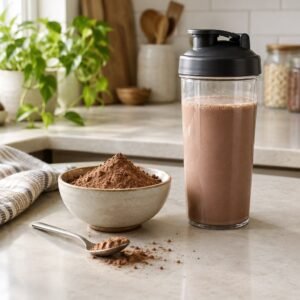
Protein powders can differ in ingredients, serving size, allergens, price and claims. Comparing the label can help you understand what a product says about itself, but it cannot establish independent product quality or tell you whether a supplement is personally necessary.
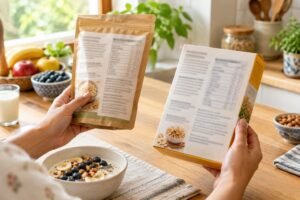
Start with the full label
- Check the serving size. Compare similar products using the same basis, such as per serving and per 100 g where available.
- Read ingredients. Look at the protein source, flavourings, sweeteners and other ingredients. An unfamiliar name alone does not prove a product is unsafe.
- Check allergens. Milk-derived whey is not suitable for someone with a milk allergy. Review the current pack for allergens and cross-contact statements.
- Read claims in context. “High protein” or “sugar free” addresses a specific claim; it does not make a product the best fit for every person.
- Consider cost per serving. Divide the pack price by the number of servings you would actually use, while checking that serving definitions are comparable.
- Look at storage and seller details. Check the seal, dates, storage directions and manufacturer/importer information on the delivered pack.
What a label does not prove
A label reports declared information and regulated claims; it is not a personal recommendation, independent lab report or guarantee that the product is free of all risk. Do not infer manufacturing quality or “purity” from packaging design, influencer endorsements or a short ingredient list. Formulas can change, so check the pack each time.
See our India food-label checklist for the basics and our Whole Truth whey protein review for one label-specific example. The review describes listed product information; it is not an independent test.
Do you need a protein powder?
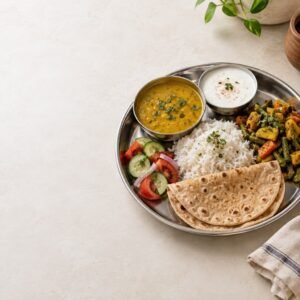
Not automatically. Many foods can contribute protein as part of varied meals, including dal, beans, soy, dairy, eggs, fish, chicken, nuts and seeds. Your requirements depend on health, diet and training. If you have kidney disease, food allergies, are pregnant, take medication or are unsure whether a supplement suits you, consult a qualified clinician or registered dietitian.
Sources
This is general consumer information, not a supplement recommendation or medical advice.