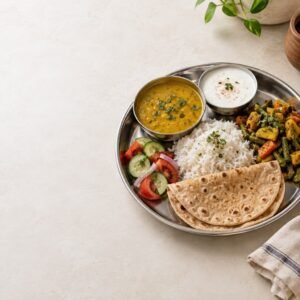
Pre-Run Nutrition Tips: What to Eat Before an Easy Run
There is no single pre-run snack that suits everyone. Use these simple, India-friendly ideas to choose familiar foods around an easy run and avoid unnecessary rules.
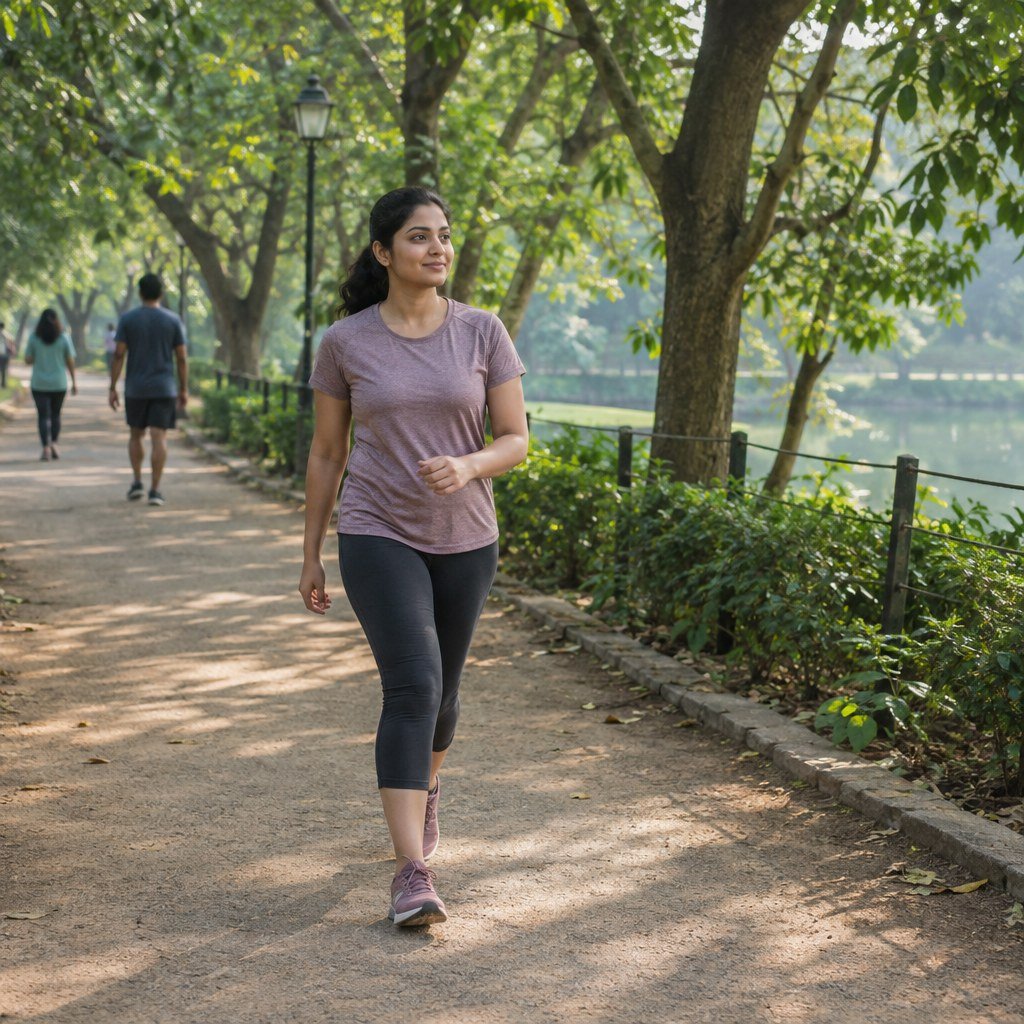
What to eat before a run depends on the session, your appetite, the time available and what your stomach tolerates. For a short, easy run, many people can keep things simple; a large meal or sports supplement is not automatically necessary. These are general ideas, not a personalised sports-nutrition plan.
Start with the run you are doing
For an easy walk–jog or short run, think first about your normal meals and hunger. If you feel comfortable running after your usual breakfast, there may be no need to add anything. If you feel hungry, a small familiar snack may be worth trying.
For a longer or harder session, nutrition becomes more individual. Training duration, pace, weather, health and personal tolerance all matter. A sports dietitian can help you build a plan if you are training for an event.
Simple pre-run food ideas
Choose an option you already enjoy and can prepare easily. Depending on your appetite and routine, examples might include:
- A banana or another familiar fruit.
- A small bowl of poha or upma.
- A slice of toast or a small portion of rice-based breakfast.
- Oats prepared in a way you already tolerate, including our overnight oats recipe.
These are examples, not prescriptions or a ranking. If a particular food causes discomfort, choose something else. Food allergies, intolerances, diabetes, gastrointestinal conditions and other health needs can change what is suitable.
Timing: use comfort, not a stopwatch rule
There is no universal clock that works for every meal and every runner. A larger meal may need more time to feel comfortable than a small snack. Pay attention to your own experience during training: what you ate, roughly when, the session and how you felt. Keep notes if that is useful, and change one thing at a time.
Avoid trying a new recipe, supplement or gel for the first time right before an important run. Training is a better time to learn what feels comfortable. For a beginner routine, see the gentle run–walk plan and our beginner running tips.
Water and warm weather
Have access to water and consider the heat, humidity, session length and your own needs. There is no single amount that is right for everyone. Follow any fluid advice given by your clinician. In unsafe heat, changing the time, reducing effort or choosing an indoor option may matter more than changing your snack. See our hot-weather running checklist.
Common mistakes to avoid
- Copying an elite athlete’s fueling schedule for a short easy run.
- Eating a large or unfamiliar meal because a generic chart says you should.
- Assuming gels or sports drinks are necessary for every session.
- Ignoring repeated nausea, pain or other concerning symptoms.
The ICMR–National Institute of Nutrition Dietary Guidelines for Indians offer a broader foundation for everyday food choices. Sports-specific needs vary; the ACSM position stands include evidence-based guidance on nutrition and athletic performance.
Sources and disclaimer
- ICMR–National Institute of Nutrition: Dietary Guidelines for Indians (2024)
- American College of Sports Medicine: Position stands
This article is general education, not medical advice or a personalised diet or training plan. Ask a qualified professional about individual needs.