Beginner Running Tips for India: 10 Things to Know Before Your First Run
Starting to run? These practical tips cover run–walk sessions, easy pacing, rest, footwear, route safety and Indian weather—without pressure to run fast or far.
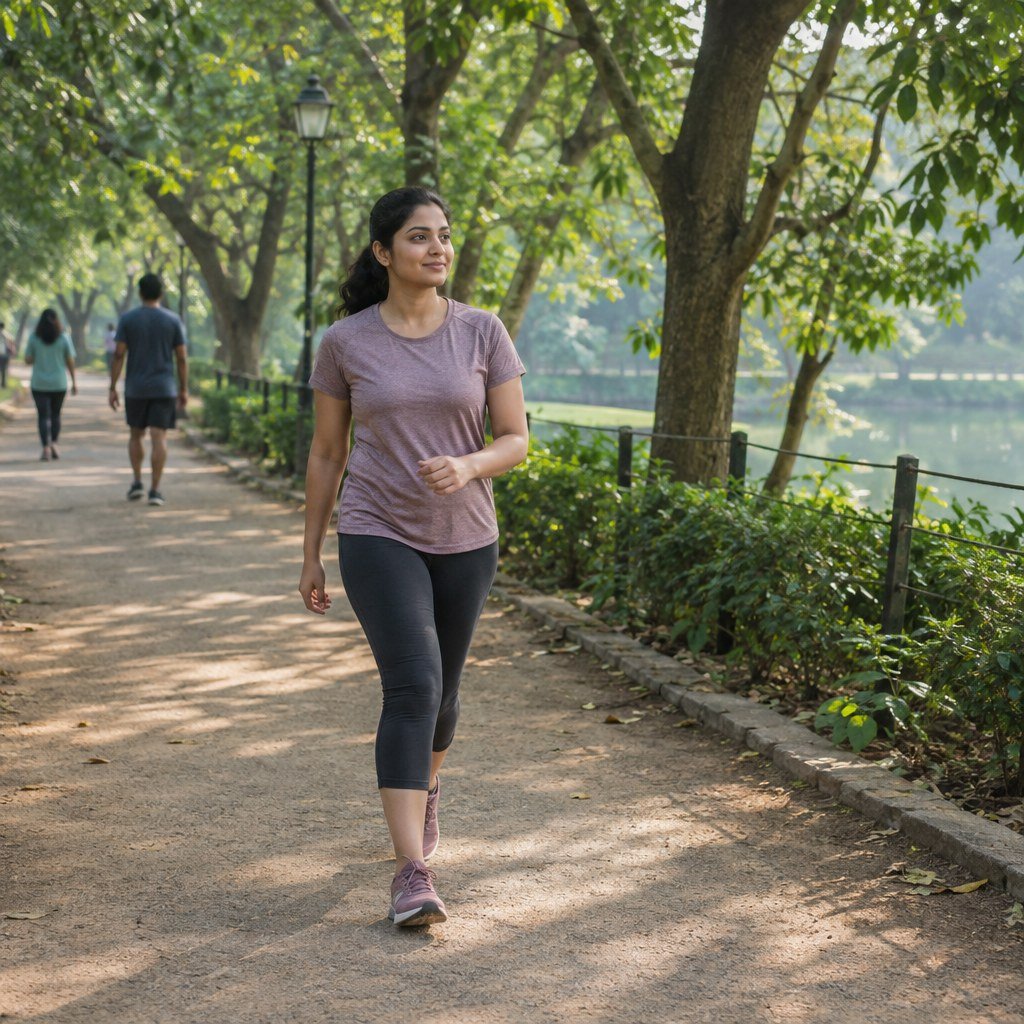
Starting to run can feel like a big step. It does not have to begin with a long distance, a fast pace or expensive gear. A comfortable walk–jog routine is a sensible place to start for many generally healthy adults. If you are new to exercise or have a health concern, ask a qualified professional what is appropriate for you.
10 beginner running tips
- Begin with walking if needed. A brisk walk is useful movement on its own. Add short, easy jogging intervals only when they feel manageable.
- Use a run–walk approach. Alternate a little jogging with walking and repeat at a comfortable effort. Our beginner run–walk guide has a simple example.
- Keep the pace easy. Slow down or walk if you cannot speak comfortably. A beginner session is for building a routine, not proving your speed.
- Leave recovery time. Avoid stacking hard sessions together. Rest, easy walking or another comfortable activity can fit between runs.
- Repeat a level before increasing it. Progress is individual. When a session feels demanding, repeat it or shorten it instead of forcing a weekly increase.
- Choose comfortable footwear. Shoes should fit without painful pressure or slipping. A high price or a particular model does not guarantee that it is right for you.
- Pick a route you can manage. Look for a familiar, well-lit path with a safe surface. Stay aware of traffic and people around you; use headphones at a volume that lets you notice your surroundings.
- Plan for Indian weather. Check local forecasts and heat alerts. In hot or humid conditions, choose a cooler time, use shade, reduce effort or skip the outdoor run when conditions feel unsafe. Read our hot-weather running safety checklist.
- Wear what feels comfortable. Light, breathable clothes can be more comfortable in warm weather. Carry water if you need it; fluid needs vary.
- Notice how you feel. Stop if you feel unwell, faint, confused, unusually weak, or develop pain that concerns you. Seek help for severe or persistent symptoms.
A simple first-week structure
Pick two or three non-consecutive days, depending on your current activity and how you feel. Start with a few minutes of easy walking. If comfortable, alternate short, gentle jogs with walking, then finish with an easy walk. You can walk the entire session. The NHS Couch to 5K programme also uses gradual run–walk sessions with rest days; you can read its beginner running guidance.
Longer-term activity recommendations are not a test you need to pass in your first week. The WHO physical activity guidance describes population-level targets for adults, while any amount of movement can be a starting point.
What to eat before a beginner run
For a short, easy session, you may not need a special product or a complicated fueling plan. If you are hungry, try a small familiar snack and see what feels comfortable. Our practical Indian meal guide for runners shares everyday ideas.
When to get individual advice
General running tips cannot account for every health condition, medication, pregnancy, injury history or level of fitness. If one of these applies—or if you are unsure how to start—ask a qualified clinician. A coach or physiotherapist can help with individual training questions.
Sources
- NHS: Get running with Couch to 5K
- WHO: Physical activity
- InsightsWagon: Running in hot weather in India
This article is general education, not medical advice or a personalised training plan.